

与之前的版本一样,Android 16 包含一些可能会影响应用的行为变更。以下行为变更仅影响以 Android 16 或更高版本为目标平台的应用。如果您的应用以 Android 16 或更高版本为目标平台,您应该修改自己的应用以适当地支持这些行为(如果适用)。
无论应用的 targetSdkVersion 为何,都请务必查看对 Android 16 上运行的所有应用都有影响的行为变更列表。
用户体验和系统界面
Android 16(API 级别 36)包含以下变更,旨在打造更一致、更直观的用户体验。
无边框设计选择退出选项即将移除
Android 15 强制要求以 Android 15(API 级别 35)为目标平台的应用采用边到边模式,但您的应用可以通过将 R.attr#windowOptOutEdgeToEdgeEnforcement 设置为 true 来选择退出此模式。对于以 Android 16(API 级别 36)为目标平台的应用,R.attr#windowOptOutEdgeToEdgeEnforcement 已废弃并停用,并且您的应用无法选择停用边到边模式。
- 如果您的应用以 Android 16(API 级别 36)为目标平台,并且在 Android 15 设备上运行,
R.attr#windowOptOutEdgeToEdgeEnforcement会继续运行。 - 如果您的应用以 Android 16(API 级别 36)为目标平台,并且在 Android 16 设备上运行,则
R.attr#windowOptOutEdgeToEdgeEnforcement会处于停用状态。
如需在 Android 16 中进行测试,请确保您的应用支持无边框,并移除对 R.attr#windowOptOutEdgeToEdgeEnforcement 的任何使用,以便您的应用在 Android 15 设备上也支持无边框。如需支持边到边,请参阅 Compose 和视图指南。
必须迁移或选择退出预测性返回
对于以 Android 16(API 级别 36)或更高版本为目标平台且在搭载 Android 16 或更高版本的设备上运行的应用,系统会默认启用预测性返回系统动画(返回主屏幕、跨任务和跨 activity)。此外,系统不会调用 onBackPressed,也不会再分派 KeyEvent.KEYCODE_BACK。
如果您的应用会拦截返回事件,而您尚未迁移到预测性返回,请更新应用以使用受支持的返回导航 API,或在应用的 AndroidManifest.xml 文件的 <application> 或 <activity> 标记中将 android:enableOnBackInvokedCallback 属性设置为 false,以暂时停用预测性返回。
优雅字体 API 已弃用并停用
以 Android 15(API 级别 35)为目标平台的应用默认将 elegantTextHeight
TextView 属性设置为 true,从而将紧凑型字体替换为可读性更高的字体。您可以通过将 elegantTextHeight 属性设置为 false 来替换此设置。
Android 16 弃用了 elegantTextHeight 属性,当您的应用以 Android 16 为目标平台后,系统会忽略该属性。由这些 API 控制的“界面字体”即将停用,因此您应调整所有布局,以确保阿拉伯语、老挝语、缅甸语、泰米尔语、古吉拉特语、卡纳达语、马拉雅拉姆语、奥里亚语、泰卢固语或泰语文本的呈现效果一致且不受未来变化的影响。
elegantTextHeight 属性设置为 false 替换默认值的应用,
elegantTextHeight 行为。elegantTextHeight 属性设置为 false 来替换默认值的应用,其 elegantTextHeight 行为。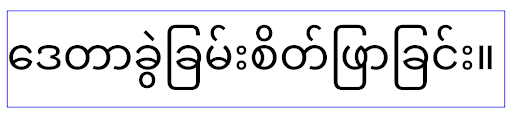
核心功能
Android 16(API 级别 36)包含以下变更,这些变更会修改或扩展 Android 系统的各种核心功能。
固定费率工作调度优化
在以 Android 16 为目标平台之前,如果 scheduleAtFixedRate 因不在有效的进程生命周期内而错过了任务执行,则当应用返回到有效的生命周期时,所有错过的执行会立即执行。
以 Android 16 为目标平台时,当应用返回到有效的生命周期时,系统会立即执行最多 1 次未执行的 scheduleAtFixedRate 执行。此行为变更预计会提升应用性能。在您的应用中测试此行为,检查您的应用是否受到影响。您还可以使用应用兼容性框架并启用 STPE_SKIP_MULTIPLE_MISSED_PERIODIC_TASKS 兼容性标志进行测试。
设备规格
Android 16(API 级别 36)包含以下针对应用在大屏设备上显示时的变更。
自适应布局
Android 应用现在可在各种设备(例如手机、平板电脑、可折叠设备、桌面设备、汽车和电视)上运行,并支持大屏设备上的各种窗口模式(例如分屏和窗口化模式),因此开发者应构建能够适应任何屏幕和窗口大小的 Android 应用,无论设备屏幕方向如何。在当今的多设备世界中,限制屏幕方向和尺寸可调整性等范式过于严格。
忽略屏幕方向、尺寸调整和宽高比限制
对于以 Android 16(API 级别 36)为目标平台的应用,屏幕方向、尺寸调整和宽高比限制不再适用于最小宽度 >= 600dp 的显示屏。应用会填满整个显示窗口,无论宽高比或用户首选屏幕方向如何,并且不使用邮筒模式。
此项变更引入了新的标准平台行为。Android 正在转向一种模式,其中应用需要适应各种屏幕方向、显示大小和宽高比。固定屏幕方向或尺寸调整受限等限制会阻碍应用自适应。使您的应用具有自适应性,以提供最佳用户体验。
您还可以使用应用兼容性框架并启用 UNIVERSAL_RESIZABLE_BY_DEFAULT 兼容性标志来测试此行为。
常见破坏性更改
忽略屏幕方向、尺寸调整和宽高比限制可能会影响应用在某些设备上的界面,尤其是针对锁定为纵向的小布局设计的元素:例如,布局拉伸以及动画和组件超出屏幕等问题。任何关于宽高比或屏幕方向的假设都可能导致应用出现视觉问题。详细了解如何避免这些问题并改进应用的自适应行为。
允许设备旋转会导致更多 activity 重新创建,如果未正确保留,可能会导致用户状态丢失。如需了解如何正确保存界面状态,请参阅保存界面状态。
实现细节
在大屏设备上,在全屏模式和多窗口模式下,系统会忽略以下清单属性和运行时 API:
screenOrientationresizableActivityminAspectRatiomaxAspectRatiosetRequestedOrientation()getRequestedOrientation()
系统会忽略 screenOrientation、setRequestedOrientation() 和 getRequestedOrientation() 的以下值:
portraitreversePortraitsensorPortraituserPortraitlandscapereverseLandscapesensorLandscapeuserLandscape
对于显示屏大小可调整性,android:resizeableActivity="false"、android:minAspectRatio 和 android:maxAspectRatio 不会产生任何影响。
对于以 Android 16(API 级别 36)为目标平台的应用,默认情况下,大屏设备会忽略应用对于屏幕方向、尺寸调整和宽高比的限制。每个尚未完全准备就绪的应用都可以通过选择停用此行为来暂时替换此行为,从而恢复到之前的行为,即置于兼容模式。
例外情况
Android 16 的屏幕方向、尺寸可调整性和宽高比限制不适用于以下情况:
- 游戏(基于
android:appCategory标志) - 用户在设备的宽高比设置中明确选择启用应用的默认行为
- 小于
sw600dp的屏幕
暂时停用
如需停用特定 activity,请声明 PROPERTY_COMPAT_ALLOW_RESTRICTED_RESIZABILITY 清单属性:
<activity ...>
  <property android:name="android.window.PROPERTY_COMPAT_ALLOW_RESTRICTED_RESIZABILITY" android:value="true" />
  ...
</activity>
如果您的应用有太多部分尚未准备好支持 Android 16,您可以在应用级别应用同一属性,以完全停用该功能:
<application ...>
  <property android:name="android.window.PROPERTY_COMPAT_ALLOW_RESTRICTED_RESIZABILITY" android:value="true" />
</application>
健康与健身
Android 16(API 级别 36)包含以下与健康与健身数据相关的变更。
健康与健身权限
对于以 Android 16(API 级别 36)或更高版本为目标平台的应用,BODY_SENSORS 权限会使用 android.permissions.health 下更精细的权限,Health Connect 也会使用这些权限。从 Android 16 开始,凡是以前需要具有 BODY_SENSORS 或 BODY_SENSORS_BACKGROUND 权限的 API,现在都需要获取相应的 android.permissions.health 权限。这会影响以下数据类型、API 和前台服务类型:
- Wear OS 上的健康服务中的
HEART_RATE_BPM Sensor.TYPE_HEART_RATE(来自 Android 传感器管理器)- Wear OS 上的
heartRateAccuracy和heartRateBpm(来自ProtoLayout) FOREGROUND_SERVICE_TYPE_HEALTH,其中需要相应的android.permission.health权限,而不是BODY_SENSORS
如果您的应用使用这些 API,则应请求相应的精细权限:
- 如需在使用期间监测心率、血氧饱和度或体表温度,请请求
android.permissions.health下的精细权限,例如READ_HEART_RATE,而不是BODY_SENSORS。 - 对于后台传感器访问权限:请求
READ_HEALTH_DATA_IN_BACKGROUND,而不是BODY_SENSORS_BACKGROUND。
这些权限与保护对健康数据共享(用于存储健康、健身和身心状态数据的 Android 数据存储区)中读取数据的访问权限相同。
移动应用
迁移到使用 READ_HEART_RATE 和其他精细权限的移动应用还必须声明一个 activity,以显示应用的隐私权政策。此要求与健康数据共享相同。
连接
Android 16(API 级别 36)在蓝牙堆栈中包含以下更改,以改进与外围设备的连接。
用于处理绑定丢失和加密更改的新 intent
作为改进了对键值对丢失的处理的一部分,Android 16 还引入了 2 个新 intent,以便应用更好地了解键值对丢失和加密更改。
以 Android 16 为目标平台的应用现在可以:
- 在检测到远程键盘连接丢失时接收
ACTION_KEY_MISSINGintent,以便提供更具信息量的用户反馈并采取适当的措施。 - 每当链接的加密状态发生变化时,都会收到
ACTION_ENCRYPTION_CHANGEintent。这包括加密状态更改、加密算法更改和加密密钥大小更改。如果应用在稍后收到ACTION_ENCRYPTION_CHANGEintent 时成功加密了链接,则必须将该绑定视为已恢复。
适应不同的 OEM 实现
虽然 Android 16 引入了这些新 intent,但其实现和广播可能会因不同的设备制造商 (OEM) 而异。为了确保您的应用在所有设备上都能提供一致且可靠的体验,开发者应设计其绑定丢失处理机制,以妥善适应这些潜在的变化。
我们建议您采用以下应用行为:
如果广播
ACTION_KEY_MISSINGintent:系统会断开 ACL(异步无连接)链接,但会保留设备的配对信息(如此处所述)。
您的应用应将此 intent 用作检测配对丢失的主要信号,并在发起设备忘记或重新配对之前引导用户确认远程设备是否在范围内。
如果设备在收到
ACTION_KEY_MISSING后断开连接,您的应用应谨慎重新连接,因为设备可能已不再与系统绑定。如果未广播
ACTION_KEY_MISSINGintent:ACL 链接将保持连接状态,系统会移除设备的配对信息,与 Android 15 中的行为相同。
在这种情况下,您的应用应继续使用与之前的 Android 版本相同的现有配对丢失处理机制,以检测和管理配对丢失事件。
解除蓝牙绑定的新方法
现在,以 Android 16 为目标平台的所有应用都可以使用 CompanionDeviceManager 中的公共 API 解除蓝牙设备配对。如果配套设备作为 CDM 关联进行管理,则应用可以在关联的设备上使用新的 removeBond(int) API 触发蓝牙配对的移除。该应用可以通过监听蓝牙设备广播事件 ACTION_BOND_STATE_CHANGED 来监控配对状态变化。
安全
Android 16(API 级别 36)包含以下安全变更。
MediaStore 版本锁定
对于以 Android 16 或更高版本为目标平台的应用,MediaStore#getVersion() 现在将是每个应用的唯一标识。这会从版本字符串中移除标识属性,以防止滥用和用于指纹识别技术。应用不应对此版本的格式做出任何假设。在使用此 API 时,应用应已处理版本变更,并且在大多数情况下无需更改其当前行为,除非开发者尝试推断超出此 API 预期范围的其他信息。
更安全的 intent
更安全的 intent 功能是一项多阶段安全计划,旨在提高 Android intent 解析机制的安全性。其目标是在 intent 处理期间添加检查并过滤不符合特定条件的 intent,从而保护应用免受恶意操作的影响。
在 Android 15 中,该功能侧重于发送应用。现在,在 Android 16 中,控制权转移到了接收应用,开发者可以使用其应用清单选择启用严格 intent 解析。
我们将实施两项关键变更:
显式 intent 必须与目标组件的 intent 过滤器相匹配:如果 intent 显式定位到某个组件,则应与该组件的 intent 过滤器相匹配。
不含操作的 intent 无法匹配任何 intent 过滤器:未指定操作的 intent 不应解析为任何 intent 过滤器。
这些变更仅在涉及多个应用时适用,不会影响单个应用内的 intent 处理。
影响
由于该功能具有选择启用性质,因此开发者必须在其应用清单中明确启用该功能,它才能生效。 因此,该功能的影响范围仅限于满足以下条件的应用:
- 了解 Safer Intents 功能及其优势。
- 主动选择在应用中采用更严格的 intent 处理做法。
这种选择性启用的方法可最大限度地降低破坏现有应用的风险,这些应用可能依赖于当前安全性较低的 intent 解析行为。
虽然 Android 16 中的初始影响可能有限,但 Safer Intents 计划已制定路线图,将在未来的 Android 版本中产生更广泛的影响。 我们计划最终将严格 intent 解析设为默认行为。
Safer Intents 功能可以提高恶意应用利用 intent 解析机制中的漏洞的难度,从而显著增强 Android 生态系统的安全性。
不过,必须谨慎管理向停用和强制执行的过渡,以解决与现有应用的潜在兼容性问题。
实现
开发者需要在其应用清单中使用 intentMatchingFlags 属性明确启用更严格的 intent 匹配。以下示例展示了如何为整个应用选择启用该功能,但为某个接收器停用/选择退出该功能:
<application android:intentMatchingFlags="enforceIntentFilter">
    <receiver android:name=".MyBroadcastReceiver" android:exported="true" android:intentMatchingFlags="none">
        <intent-filter>
            <action android:name="com.example.MY_CUSTOM_ACTION" />
        </intent-filter>
        <intent-filter>
            <action android:name="com.example.MY_ANOTHER_CUSTOM_ACTION" />
        </intent-filter>
    </receiver>
</application>
详细了解支持的标志:
| 标志名称 | 说明 |
|---|---|
| enforceIntentFilter | 对传入 intent 强制执行更严格的匹配 |
| 无 | 停用传入 intent 的所有特殊匹配规则。指定多个标志时,如果值存在冲突,则优先采用“none”标志 |
| allowNullAction | 放宽匹配规则,允许不含操作的 intent 进行匹配。此标志将与“enforceIntentFilter”结合使用,以实现特定行为 |
测试和调试
强制执行生效后,如果 intent 调用方已正确填充 intent,应用应能正常运行。
不过,被屏蔽的 intent 会触发警告日志消息,例如带有 "PackageManager." 标记的 "Intent does not match component's intent filter:" 和 "Access blocked:"。这表示存在可能影响应用的潜在问题,需要引起注意。
Logcat 过滤条件:
tag=:PackageManager & (message:"Intent does not match component's intent filter:" | message: "Access blocked:")
GPU 系统调用过滤
为了强化 Mali GPU 表面,已废弃或仅用于 GPU 开发的 Mali GPU IOCTL 已在正式版 build 中被屏蔽。此外,用于 GPU 性能分析的 IOCTL 已限制为 shell 进程或可调试应用。如需详细了解平台级政策,请参阅 SAC 更新。
此变更适用于使用 Mali GPU 的 Pixel 设备(Pixel 6-9)。Arm 在其 r54p2 版本的 Documentation/ioctl-categories.rst 中提供了其 IOCTL 的官方分类。此列表将在未来的驱动程序版本中继续维护。
此项变更不会影响受支持的图形 API(包括 Vulkan 和 OpenGL),预计也不会影响开发者或现有应用。 GPU 性能分析工具(例如 Streamline Performance Analyzer 和 Android GPU 检查器)不会受到影响。
测试
如果您看到类似以下内容的 SELinux 拒绝,则您的应用可能已受到此变更的影响:
06-30 10:47:18.617 20360 20360 W roidJUnitRunner: type=1400 audit(0.0:85): avc:  denied  { ioctl }
for  path="/dev/mali0" dev="tmpfs" ino=1188 ioctlcmd=0x8023
scontext=u:r:untrusted_app_25:s0:c512,c768 tcontext=u:object_r:gpu_device:s0 tclass=chr_file
permissive=0 app=com.google.android.selinux.pts
如果您的应用需要使用被屏蔽的 IOCTL,请提交 bug 并将其分配给 android-partner-security@google.com。
常见问题解答
此政策变更是否适用于所有 OEM? 此项变更将采用选择启用的方式,但任何想要使用此加固方法的 OEM 都可以使用。如需了解如何实现此变更,请参阅实现文档。
是否必须在 OEM 代码库中进行更改才能实现此功能,还是说新的 AOSP 版本默认提供此功能? 默认情况下,平台级变更将随新的 AOSP 版本一起发布。如果供应商希望应用此更改,可以在其代码库中选择启用此更改。
SoC 是否负责确保 IOCTL 列表保持最新状态?例如,如果我的设备使用 ARM Mali GPU,我是否需要就任何更改与 ARM 联系? 各个 SoC 必须在驱动程序发布时更新其每个设备的 IOCTL 列表。 例如,ARM 会在驱动程序更新时更新其发布的 IOCTL 列表。 不过,OEM 应确保将这些更新纳入其 SEPolicy 中,并根据需要将任何选定的自定义 IOCTL 添加到列表中。
此变更会自动应用于所有在售 Pixel 设备,还是需要用户执行操作来切换某些设置才能应用此变更? 此变更适用于所有使用 Mali GPU 的 Pixel 在售设备(Pixel 6-9)。用户无需采取任何行动即可应用此变更。
使用此政策是否会影响内核驱动程序的性能? 此政策已在 Mali GPU 上使用 GFXBench 进行了测试,未观察到 GPU 性能发生可测量的变化。
IOCTL 列表是否必须与当前用户空间和内核驱动程序版本保持一致? 是的,允许的 IOCTL 列表必须与用户空间和内核驱动程序支持的 IOCTL 同步。如果用户空间或内核驱动程序中的 IOCTL 发生更新,则 SEPolicy IOCTL 列表也必须进行更新以保持一致。
ARM 已将 IOCTL 分类为“受限”/“插桩”,但我们希望在生产用例中使用其中一些 IOCTL,和/或拒绝其他 IOCTL。 各个 OEM/SoC 负责根据其用户空间 Mali 库的配置,决定如何对所使用的 IOCTL 进行分类。 ARM 的列表可用于帮助确定这些设置,但每个 OEM/SoC 的用例可能有所不同。
隐私权
Android 16(API 级别 36)包含以下隐私权变更。
本地网络权限
任何拥有 INTERNET 权限的应用都可以访问 LAN 中的设备。
这让应用可以轻松连接到本地设备,但也会带来隐私问题,例如生成用户指纹,以及推断出位置信息。
本地网络保护项目旨在通过新的运行时权限控制对本地网络的访问,从而保护用户隐私。
发布计划
此项变更将在 25Q2 和 26Q2 这两个版本之间部署。 开发者必须在 25Q2 遵循此指南并分享反馈,因为这些保护措施将在后续 Android 版本中强制执行。 此外,他们还需要根据以下指南更新依赖于隐式本地网络访问权限的场景,并为用户拒绝和撤消新权限做好准备。
影响
在当前阶段,LNP 是一项选择性启用的功能,这意味着只有选择启用该功能的应用才会受到影响。选择启用阶段的目标是让应用开发者了解其应用的哪些部分依赖于隐式本地网络访问,以便他们可以准备在下一个版本中为其设置权限保护。
如果应用使用以下方式访问用户的本地网络,则会受到影响:
- 在本地网络地址上直接或通过库使用原始套接字(例如 mDNS 或 SSDP 服务发现协议)
- 使用访问本地网络的框架级类(例如 NsdManager)
发往和来自本地网络地址的流量需要本地网络访问权限。下表列出了一些常见情况:
| 应用底层网络操作 | 需要本地网络权限 |
|---|---|
| 建立传出 TCP 连接 | 是 |
| 接受传入的 TCP 连接 | 是 |
| 发送 UDP 单播、多播、广播 | 是 |
| 接收传入的 UDP 单播、多播、广播 | 是 |
这些限制在网络栈深处实现,因此适用于所有网络 API。这包括在原生或托管代码中创建的套接字、Cronet 和 OkHttp 等网络库,以及在这些库之上实现的任何 API。尝试解析本地网络上的服务(即带有 .local 后缀的服务)需要本地网络权限。
上述规则的例外情况:
- 如果设备的 DNS 服务器位于本地网络中,则进出该服务器(通过端口 53)的流量不需要本地网络访问权限。
- 使用输出切换器作为应用内选择器的应用不需要本地网络权限(更多指南将于 2025 年第 4 季度发布)。
开发者指南(选择启用)
如需选择启用本地网络限制,请执行以下操作:
- 将设备刷写到搭载 25Q2 Beta 3 或更高版本的 build。
- 安装要测试的应用。
在 adb 中切换 Appcompat 标志:
adb shell am compat enable RESTRICT_LOCAL_NETWORK <package_name>重启设备
现在,您的应用对本地网络的访问权限受到限制,任何访问本地网络的尝试都会导致套接字错误。如果您使用的 API 在应用进程之外执行本地网络操作(例如 NsdManager),则在选择启用阶段不会受到影响。
如需恢复访问权限,您必须向应用授予NEARBY_WIFI_DEVICES权限。
- 确保应用在其清单中声明
NEARBY_WIFI_DEVICES权限。 - 依次前往设置 > 应用 > [应用名称] > 权限 > 附近的设备 > 允许。
现在,您的应用对本地网络的访问权限应该已恢复,并且所有场景都应该像选择启用该应用之前一样正常运行。
本地网络保护强制执行后,应用网络流量将受到以下影响。
| 权限 | 出站 LAN 请求 | 出站/入站互联网请求 | 入站 LAN 请求 |
|---|---|---|---|
| 已授予 | Works | Works | Works |
| 未授予 | 最差排行榜 | Works | 最差排行榜 |
使用以下命令关闭应用兼容性标志
adb shell am compat disable RESTRICT_LOCAL_NETWORK <package_name>
错误
每当调用套接字调用 send 或 send 变体到本地网络地址时,这些限制引起的错误都会返回给调用套接字。
错误示例:
sendto failed: EPERM (Operation not permitted)

sendto failed: ECONNABORTED (Operation not permitted)
本地网络定义
此项目中的本地网络是指利用支持广播的网络接口(例如 Wi-Fi 或以太网)的 IP 网络,但不包括移动网络 (WWAN) 或 VPN 连接。
以下网络被视为本地网络:
IPv4:
- 169.254.0.0/16 // 链路本地
- 100.64.0.0/10 // CGNAT
- 10.0.0.0/8 // RFC1918
- 172.16.0.0/12 // RFC1918
- 192.168.0.0/16 // RFC1918
IPv6:
- 链路本地
- 直接连接的路由
- 桩网络(例如 Thread)
- 多个子网(待定)
此外,多播地址(224.0.0.0/4、ff00::/8)和 IPv4 广播地址 (255.255.255.255) 也被归类为本地网络地址。
应用拥有的照片
当面向 SDK 36 或更高版本的应用在搭载 Android 16 或更高版本的设备上提示用户授予照片和视频权限时,如果用户选择限制对所选媒体的访问权限,则会在照片选择器中看到该应用拥有的所有照片。用户可以取消选择任何这些预选项,这会撤消该应用对这些照片和视频的访问权限。